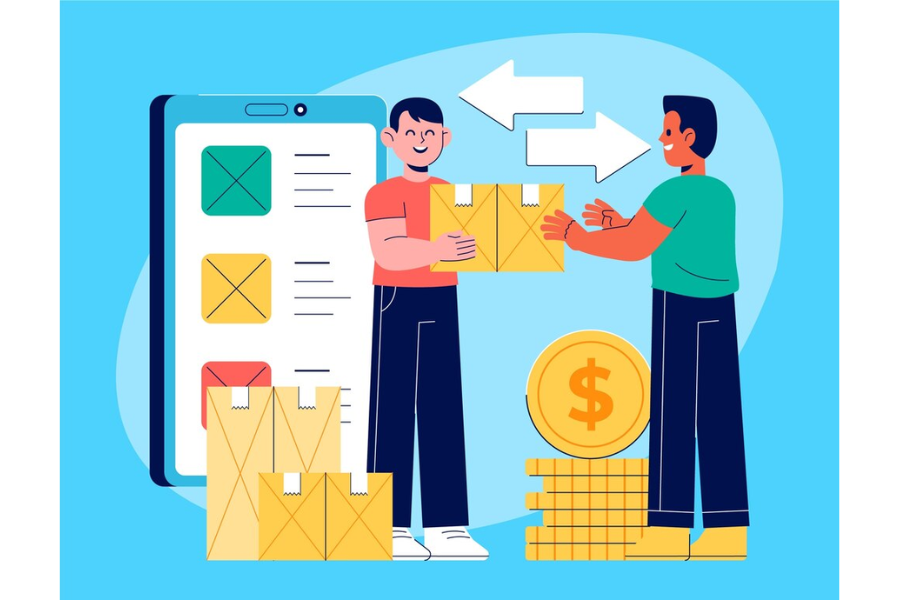
Reaching new markets, managing inventory, and reducing risks can be potential challenges in doing business. And that’s where the consignment sales model can step in to help.
Whether you’re a seasoned online business owner or a fresher in Pakistan, the consignment model might just be what you need!
Learn all about consignment stores in this article to solve your problems and improve your business.
How Does the Consignment Model Differ From Traditional Sales Models
A sales model is how a company carefully sells its products. These business models have existed for hundreds, if not thousands, of years in some form or another.
Various traditional sales models include the following:
Online sales without boundaries.
Reach customers from around the world with your own online store.
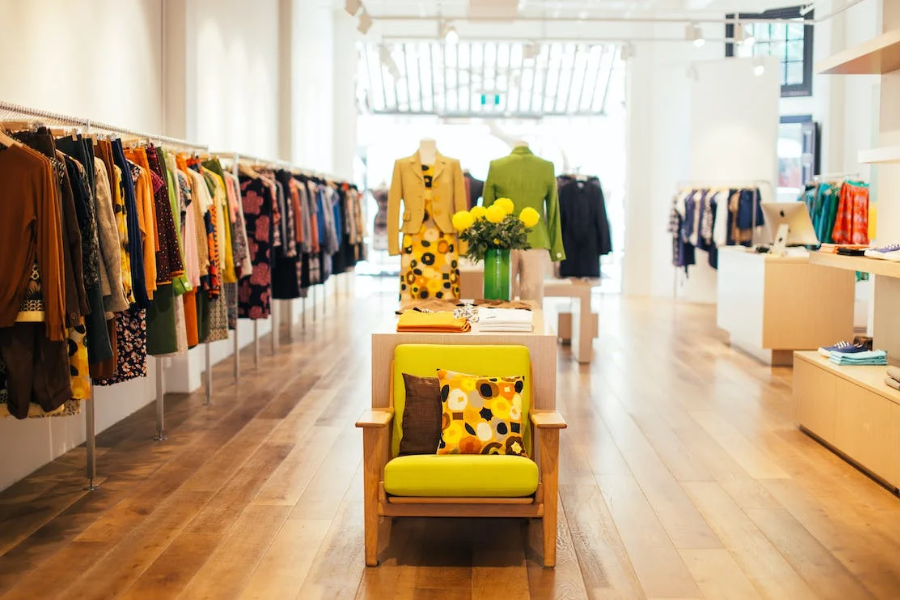
- Retail Sales Model: Many consignment stores purchase from wholesalers and then sell goods to end consumers.
- Franchise Model: Granting rights to other businesses to operate under the original store’s established brand.
- Direct Sales Model: Selling an item or service directly to consumers. For example, an artist can consign their art to an art gallery or a store that sells similar goods.
There are more types, though, and one of them may be right for you. Nevertheless, we are here to discuss the consignment model (not traditional). It’s a business model that’s piqued the interest of owners recently. Let’s find out why!
Consignment Model Basics
The word consignment means a business deal between two parties where items can be shipped from a supplier to a retailer without upfront payment.
Therefore, the retailer can display, advertise, and sell the products or services but does not own them. In this model, the retailer will be paid a portion of the revenue from the sale.
Many consignment shops often focus on selling particular products and attracting buyers. Thrift shop stores and second-hand shops are examples of the consignment business model. Common products sold through consignment are:
- Clothing and shoes.
- Art.
- Athletic equipment.
- Antiques.
- Furniture,
- Musical instruments, and
- Jewelry.
These common products can, at specific times, be donation-based and contribute to charity.
Consignment Model vs. Traditional Sales Models
While the traditional model has many advantages, consignment has its own set of benefits to offer business owners.
Let’s see how the consignment model works as opposed to traditional sales models:
- No need for storefront or consignment marketing: Suppliers can make money without having to create listings on marketplaces or maintain a physical store. Nevertheless, retailers will do the advertising and need a marketing strategy.
- Easier cash flow: Retailers don’t need to pay for inventory. it is only when they sell a product that they will pay the owner. Lastly, the retailer will send back any unsold goods at the end of the consignment period.
- Developing a motivated customer base: Retailers with a reputation for sourcing in-demand items can attract motivated, returning customers, especially if the goods sell quickly.
The consignment model benefits are way different from what the traditional sales model offers. Suppliers get to reduce inventory and marketing costs, increase cash flow, and access new markets. Meanwhile, retailers get lower financial risk, more sales potential, and access to unique products.
Consignment Model Key Concepts
If you want to have a thorough understanding of the model and how it will benefit you. First, you need to understand several key concepts. These include the parties involved, the agreements, the ownership, and the benefits.
Consignor and Consignee
In a consignment arrangement, there will be two key parties – the consignor and the consignee.
The individual or business entity that supplies goods, products, or inventory to another party is the consignor. The retailer who receives the goods to display, advertise, and sell is the consignee.
To better understand the distinction, let’s make a sample scenario that represents most consignment shops.
An online Pakistani website, PakistArt, showcases unique products handmade in Pakistan. Ali joins PakistArt as the consignor in his first consignment deal, showing his handcrafted bags for sale. PakistArt as the consignee, displays Ali’s products on their platform.
This benefits both parties – Ali gains exposure to a broader audience without the need to create an online storefront. Meanwhile, PakistArt gets high-quality products without the risks or costs of purchasing goods upfront.
Consignment Agreement
For both parties to ensure a profitable consignment agreement, they agree to terms and responsibilities. There should be clear guidelines for both parties to avoid misunderstanding.
When creating your own consignment arrangement, it should include a special form of terms and responsibilities like:
- The quantity and quality of the consigned items;
- Clear expectations for handling inventory maintenance;
- Duration of the specified period of the agreement;
- Responsibilities of each party;
- The commission and payment terms;
- The process of returning unsold goods on consignment;
- A dispute resolution policy.
By including these key components in a consignment agreement, both parties can partner for the long term. It creates a beneficial relationship, where all opinions expressed are taken into consideration. Ultimately, this is a win-win situation for both the consignor and consignee.
Inventory Ownership
Inventory ownership means being legally and financially responsible for a product in a supply chain.
Let’s continue the sample scenario above to understand this key concept. In this case, Ali retains ownership of his bags until a customer makes a purchase. When a sale occurs, PakistArt receives a percentage of the revenue, and Ali is paid the remaining amount.
In most consignment arrangements, the consignor retains the inventory ownership until the consignee sells the product to the end consumers.
In consignment, the consignee takes possession of the inventory in stock but not ownership. This is unlike traditional sales models where ownership transfers upon shipment/delivery.
This setup allows the consignor to maintain control over the products. It also reduces the financial risk for the consignee until the next consignment or until the item sells.
Benefits of the Consignment Model for Consignors
Entering a consignment deal brings several benefits for consignors, blending ownership and financial duty with strategic advantages.
These benefits include:
- No need for a storefront: Consignors do not need to spend energy on creating a storefront or listings on an online marketplace. The consignee will do this job.
- No marketing or advertising: You don’t need heavy marketing because the consignee will do this job for you.
- Access to new markets and customers: Consignors can reach a wider audience with consignment than by doing marketing on their own.
By agreeing to a consignment, consignors actively work toward boosting their market presence and financial strength. This is something that would be difficult to pull off in traditional models. It would require more time, effort, and resources.
Benefits of the Consignment Model for Consignees
Consignees also enjoy a lot of consignment benefits in ecommerce. This creates a dynamic space where financial wisdom blends with diverse inventory opportunities.
Here is how consignees can benefit in this case:
- Lower financial risk: Consignees will experience smaller financial risk because they won’t pay any upfront costs. They will only pay the consignors once the goods or raw materials are sold.
- Wider variety of products: Consignees will have access to various unique products from different consignors, offering a unique inventory that can attract many customers.
The consignment model shields consignees from the burden of unsold inventory. It does this while also empowering them to earn profit from product varieties. It can be risky to do the same thing in traditional models.
Challenges and Considerations of Consignment
Although the consignment business model has many benefits, it also comes with a few cons. Some of these downsides come from confusion in the consignment agreement. This can result in conflicts between supplier and retailer. Let’s explain what we mean below.
Product Returns and Damages
In the consignment model of ecommerce, the supplier is usually the owner of the products until the retailer sells them. This means that if the retailer damages the goods, the supplier has to bear the burden.
For instance, if a tableware supplier were to send goods to a consignment shop ecommerce store (say, sets of wine glasses) and some break before sales, the supplier must bear the cost.
A clear consignment agreement from the onset is best to avoid disputes later on. This way, everyone will understand their duty to protect the goods.
Pricing and Commission Structures
Pricing can be quite tricky here. The commission of the consignment store (online retailer) is usually about 25% to 60%. This means that if the prices are set too low, the profit margin for the supplier will reduce.
Meanwhile, setting prices too high may lead to goods sitting on the shelf for a long time. There has to be a balance between market trends, pricing, and commission.
Sales Tracking and Inventory Management
It is vital to have real-time and accurate consignment inventory management. Without a solid system, suppliers will have no idea what is in stock and what is sold. Therefore, using software is key to keeping the supplier and retailer on the same page.
Building Strong Consignment Partnerships
A great relationship between supplier and retailer boosts the consignment store profit and makes this model work. If retailers update suppliers without needing to ask, things would be a lot easier for both parties.
However, this isn’t always the case. Dishonesty or lack of communication could be the blade that cuts the relationship between them.
Thus, store owners need to take care when selecting their suppliers. Pick companies you can develop a positive relationship with and set up healthy communication practices.
Consignment Model in E-commerce
The rise of e-commerce and online marketplaces is due to the increasing trend of online shopping.
In addition, ecommerce makes it convenient to buy and sell and increases your reach to a broader audience. Such platforms create a way for businesses to connect with customers all around the world.
Some major international e-marketplaces in the US are eBay, Alibaba, and Rakuten. At the same time, Amazon leads as the largest e-commerce marketplace, with about 2.2 billion visits per month.
In Pakistan’s online market, Daraz and OLX are the leading peer-to-peer marketplaces. They can be useful in connecting buyers and sellers. In particular, they stand out due to their wide range of products, smooth logistics, immediate payment options, and seller support.
As an online business owner, you need to try these marketplaces because they offer you a unique path to reach more people.
Using the consignment model within these platforms can boost your business presence. As a result, it can increase your profit in Pakistan.
Pricing Considerations in the Consignment Model
Discussing pricing factors in consignment is important to create a pricing strategy for both parties. This way, you both gain profits and set fair and competitive prices in the market.
The pricing factors to include should be the following:
- Commission agreement: You need to consider the percentage of the commission for the consignee when setting your selling price. A consignment store typically receives 25% to 60% of the sales price in a flat rate fee.
- Market demand: The demand for an item is a key factor to consider. If your product is in high demand, you can set your price higher.
- Product value: Your product’s brand, age, and condition can also affect the price. You can price products or items in good condition higher. At the same time, you should price older, dated items lower.
- Competitor prices: Researching competitor prices and trends helps to confirm competitive pricing and consumer expectations.
Be mindful of the commission, market demand, product value, and competitor prices. In this fashion, you can create a pricing strategy that allows you to remain competitive and reasonable with pricing.
Evolving Trends and Future Outlook
The growing trends in consignment are the rise of advanced technology, resale, and second-hand stores, which shows sustainability is key.
The use of high-level tech is becoming prevalent. Online e-commerce platforms nowadays offer real-time tracking and automated inventory management.
This also includes better communication between sellers and those who purchased the goods. Innovative tech raises efficiency and aligns with the taste of the tech-savvy Pakistani consumer base.
Furthermore, Pakistani markets are seeing growth in secondhand apparel and sustainable products. The Pakistanis’ interest in second-hand items is because they are a sustainable option. It’s leading to the rise of thrift and second-hand clothing stores.
Meanwhile, monitoring the trends in the consignment model is a big plus for you. It empowers you to adapt to changing market dynamics and consumer behaviors. This results in the ability to cater to the evolving preferences of the Pakistani consumer.
It also presents a chance to align your consignment with sustainability practices. Therefore, you can appeal to a socially conscious Pakistani market.
Most importantly, it allows you to position yourself as an industry leader and profit from new opportunities.
If you are thinking of going the dropshipping vs consignment route, you should get all the help you need. This is especially true in creating an online presence and selling out early so that you and your supplier get paid early. Our team at NEXT BASKET can help you handle your online store while you focus on other important business.

Frequently Asked Questions

How does consignment work?
In a retail consignment, the person or business who owns the merchandise (the consignor), takes care of the shipping and delivery to the consignee (retailer). The consignment shop acts as a retailer and sells the items, and when they sell them, they share the money with the product owner. This depends on their agreed-upon commission.
What is a steady stream in consignment?
A “steady stream” means a constant flow of goods from the owner to the seller. This helps ensure that the seller always has products ready to be delivered to customers. With a steady stream, both parties can maintain a stable level of business activity and sales.
Is consignment suitable for small businesses (SMBs)?
Consignment selling may or may not be attractive to a business owner, depending on their situation. However, with the right skills and knowledge, it can be great for any business. It offers a minimal risk to enter the market and grow without much investment for SMBs.
How does consignment differ from wholesale?
With wholesale, retailers have to pay for the products before they sell to customers. However, in consignment, the supplier will retain ownership till the retailer sells the product. Simply put, the retailer doesn’t have to pay for anything until they sell the items.
What are the potential risks of using a consignment model?
Some of the risks of the consignment model are:
- Not selling products on time due to high costs;
- Slow payment or low profit to suppliers (consigners);
- Product damage or loss;
- Challenges in handling returns.
However, with careful planning and research, you can work around these potential challenges.
 Martin Georgiev